Station Corridor Map Snapshot
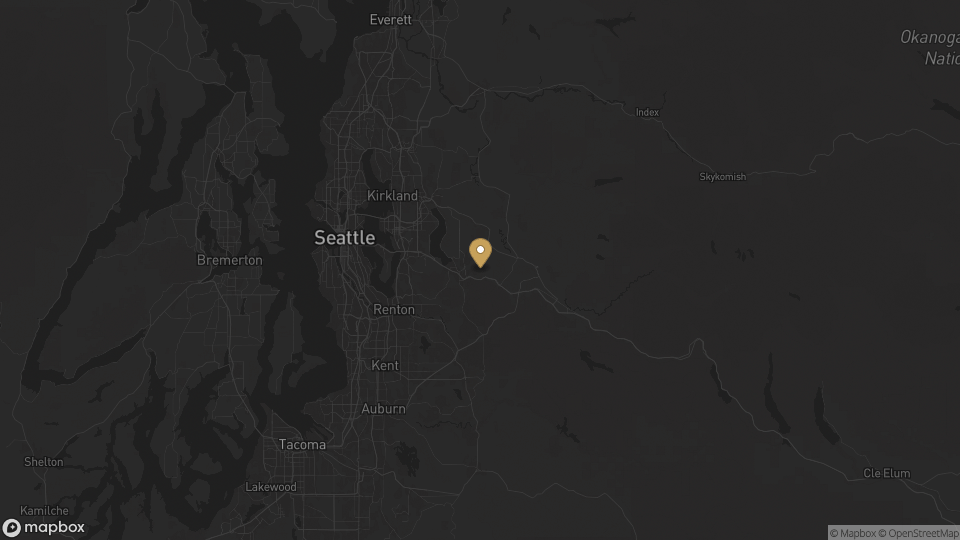
Dedicated neighborhood map coverage is still expanding here, so this county context map keeps the broader geography in view while you compare Station Corridor.
Best For
Buyers who want Shoreline with the strongest light-rail and corridor-access logic.
Tradeoff
It is less purely neighborhood-calm than the park-heavy and west-side versions of the Shoreline search.
Local Texture
The station corridor is usually where Shoreline stays on the table for buyers who care as much about movement and future access as about immediate neighborhood feel.
Compare Next
Town Center for a broader central-growth story, or Richmond Beach for a more place-driven west-side identity.
Why Buyers Look at Station Corridor
The most transit-shaped Shoreline neighborhood conversation, built around the station-area plans and the city's north-south mobility spine.
The station corridor is usually where Shoreline stays on the table for buyers who care as much about movement and future access as about immediate neighborhood feel.
Best Fit
Buyers who want Shoreline with the strongest light-rail and corridor-access logic.
This neighborhood is usually strongest when the buyer already knows why this part of Shoreline is different from the rest of the city.
Tradeoffs to Understand
It is less purely neighborhood-calm than the park-heavy and west-side versions of the Shoreline search.
The neighborhood works best when those tradeoffs are acceptable relative to the rest of the Shoreline search.
What Buyers Usually Notice First
- The most transit-shaped Shoreline neighborhood conversation, built around the station-area plans and the city's north-south mobility spine.
- Buyers who want Shoreline with the strongest light-rail and corridor-access logic.
- It is less purely neighborhood-calm than the park-heavy and west-side versions of the Shoreline search.
- The station corridor is usually where Shoreline stays on the table for buyers who care as much about movement and future access as about immediate neighborhood feel.
Neighborhood Market Context
Shoreline is currently sitting around $749K median with 8.0 days on market and 2.2 months of supply.
That means Station Corridor should be read inside a broader Shoreline market that is tighter than a lot of buyers expect. The county-wide frame from King County Market Report is about $894K median, so this neighborhood search is ultimately a more specific version of that larger county decision.
What's Here
- Shoreline's station-area planning work is centered on the neighborhoods around the new light-rail stations and frames this corridor as part of the city's mobility and growth strategy.
- This is the part of Shoreline most directly tied to the evolving transit spine rather than to the Sound-side bluff identity or the interior park system.
Known For
- The station corridor is Shoreline's most transit-led neighborhood conversation.
- It works when buyers want north-King practicality and future mobility improvements to be part of the value proposition.
Official Sources
Local anchor details on this page are grounded in official city parks, facilities, planning, and event pages. Neighborhood-fit commentary is Moving2PNW editorial synthesis based on those sources and local market context.
What to Compare Next
Town Center for a broader central-growth story, or Richmond Beach for a more place-driven west-side identity.
If this neighborhood is the right fit, the next question is whether it is the right fit inside Shoreline overall, or whether another nearby city solves the same goal better.
Next Step
Go back to the full Shoreline city guide, review the broader best neighborhoods overview, and compare it against the wider King County Market Report.
Back to Shoreline Guide All Shoreline Neighborhoods Call Matt Email Matt